
Slipped Disc Treatment Without Surgery: Options Explained
Being told you have a slipped disc can be worrying, especially if you’re concerned that surgery may be your only option. The good news is that, for most people, this isn’t the case. In fact, the majority of slipped discs improve with non-surgical treatment, allowing patients to return to their normal activities without an operation.
With the right combination of physiotherapy, pain management and lifestyle changes, many people experience significant improvements in pain, mobility and quality of life. Early assessment and a personalised treatment plan are often the key to a successful recovery.
In this guide, we’ll explain what a slipped disc is, why it happens, and the most effective non-surgical treatment options available.
What Is a Slipped Disc?
A slipped disc, also known as a herniated disc or prolapsed disc, occurs when the soft centre of a spinal disc pushes through its tougher outer layer. This can irritate nearby nerves, causing pain and other symptoms.
Despite the name, the disc does not actually “slip” out of place. Instead, it bulges or ruptures, putting pressure on surrounding tissues.
A slipped disc most commonly affects the lower back (lumbar spine), although it can also occur in the neck (cervical spine).
Common Symptoms of a Slipped Disc
Symptoms vary depending on the location and severity of the disc injury. Some people have only mild discomfort, while others experience pain that affects their daily activities.
Common symptoms include:
- Lower back or neck pain
- Pain that travels into the buttock or leg (sciatica)
- Numbness or tingling
- Muscle weakness
- Difficulty standing or walking for long periods
- Pain that worsens when coughing, sneezing or sitting for extended periods
Not everyone with a slipped disc experiences severe pain. In some cases, symptoms improve naturally as the body begins to heal.
Can a Slipped Disc Heal Without Surgery?
Yes. Most slipped discs improve without surgery.
Over time, the body can gradually reduce the size of the herniated disc through natural healing processes. Inflammation around the affected nerve also settles, helping to reduce pain and improve movement.
Recovery times vary, but many people notice significant improvement within a few weeks to a few months when following an appropriate treatment programme.
Non-Surgical Treatment Options for a Slipped Disc
1. Physiotherapy
Physiotherapy is one of the most effective treatments for a slipped disc.
A physiotherapist will assess your symptoms, movement, posture and muscle strength before creating a personalised rehabilitation programme.
Treatment may include:
- Targeted exercises to improve spinal stability
- Core strengthening
- Mobility exercises
- Stretching to reduce muscle tension
- Postural correction
- Advice on safe movement and lifting techniques
The aim is not only to relieve your current symptoms but also to reduce the risk of future episodes.
2. Pain Relief Medication
Your healthcare professional may recommend medication to help manage pain while your body heals.
Depending on your symptoms, this may include:
- Paracetamol
- Non-steroidal anti-inflammatory medicines (NSAIDs)
- Short-term muscle relaxants
- Prescription pain relief where appropriate
Medication can improve comfort, allowing you to stay active and participate more effectively in your rehabilitation programme.
Always follow your healthcare provider’s advice regarding medication.
3. Staying Active
Years ago, prolonged bed rest was commonly recommended for back pain. Today, evidence suggests that remaining as active as possible usually leads to better outcomes.
Gentle activities such as walking and carefully guided exercises help maintain muscle strength, improve circulation and reduce stiffness.
Your physiotherapist can advise which movements are safe and which activities should be temporarily avoided.
4. Exercise Rehabilitation
Exercise plays a vital role in recovery.
As your symptoms improve, your rehabilitation programme will gradually progress to include exercises that:
- Strengthen the core muscles
- Improve flexibility
- Restore spinal mobility
- Increase balance and coordination
- Build confidence with everyday movements
Progressive exercise helps support the spine and reduces the likelihood of recurring back problems.
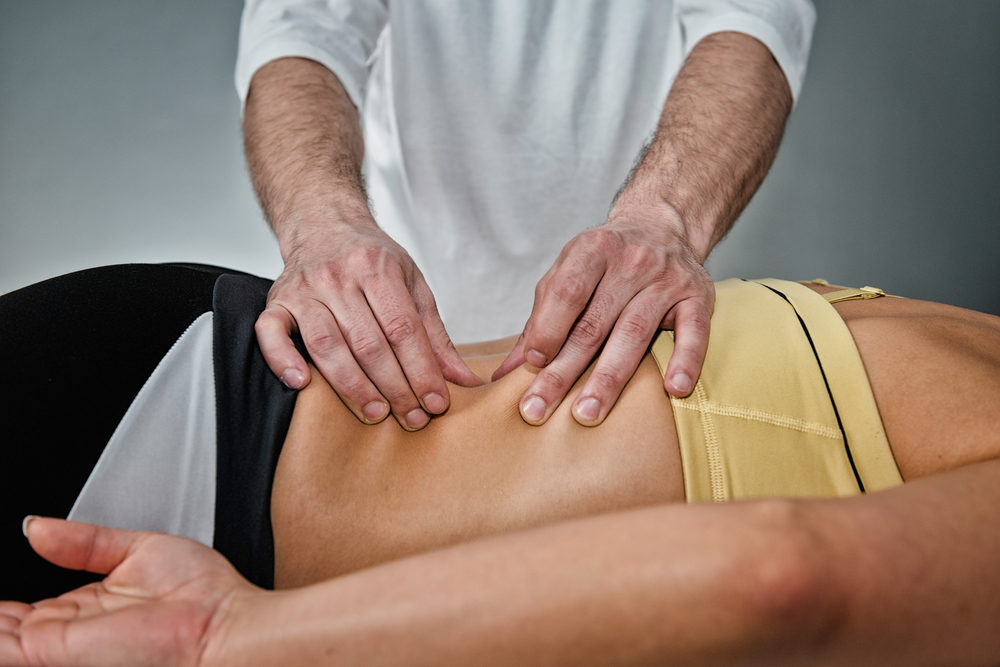
5. Manual Therapy
In some cases, hands-on physiotherapy techniques may help reduce muscle tension and improve movement.
Depending on your assessment, treatment may include:
- Soft tissue massage
- Joint mobilisation
- Muscle release techniques
Manual therapy is most effective when combined with an active exercise programme rather than being used as a standalone treatment.
6. Lifestyle Changes
Small lifestyle changes can make a significant difference during recovery.
These may include:
- Improving sitting posture
- Using correct lifting techniques
- Maintaining a healthy body weight
- Taking regular movement breaks if you work at a desk
- Sleeping in a comfortable, supportive position
These adjustments help reduce unnecessary strain on the spine and support long-term recovery.
When Is Surgery Considered?
Although most people recover without an operation, surgery may be recommended if:
- Symptoms remain severe despite several weeks or months of appropriate treatment.
- Significant muscle weakness develops.
- Pain continues to interfere with everyday life despite conservative management.
- There are signs of serious nerve compression, such as loss of bladder or bowel control, which requires urgent medical assessment.
Your healthcare specialist will discuss the benefits and risks before recommending surgery.