
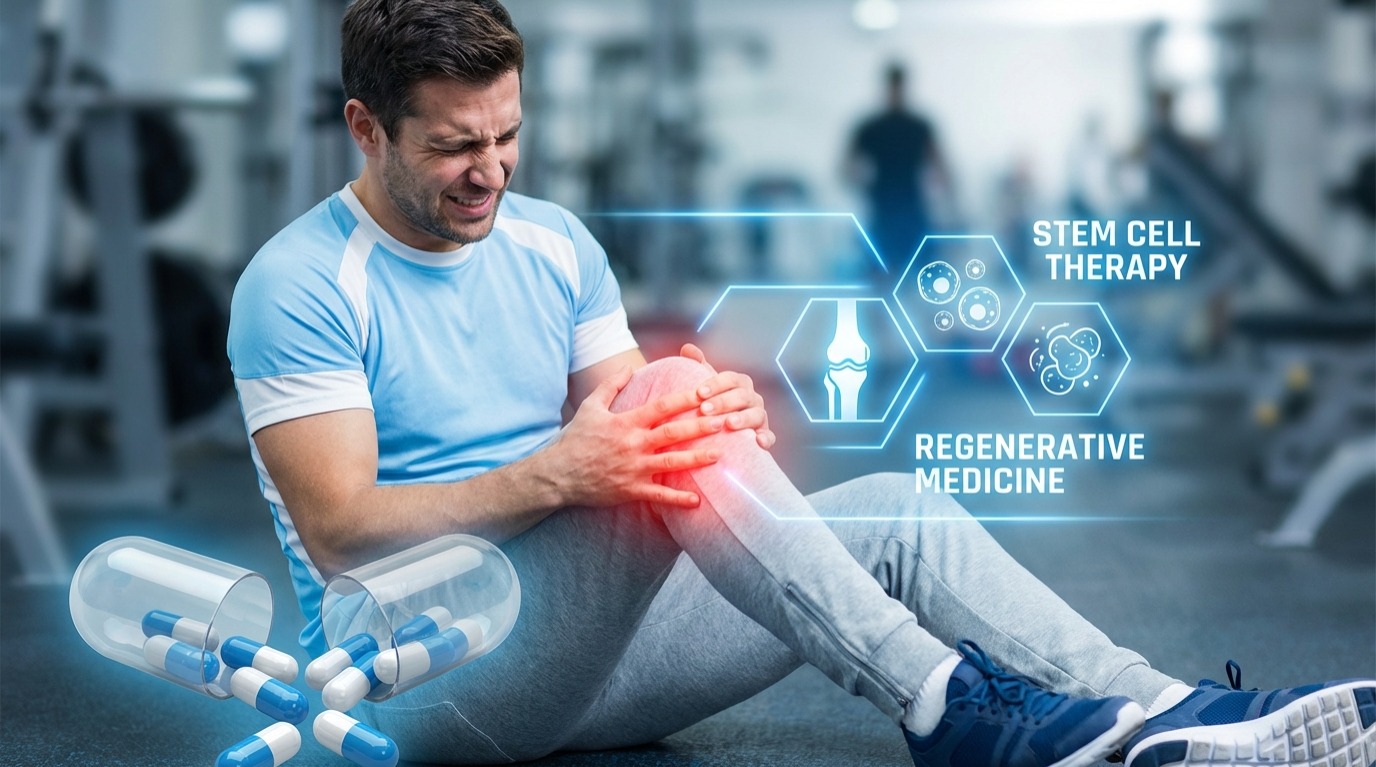
Sports Injuries That Don’t Heal: When Regenerative Medicine Helps
Sports injuries are often expected to heal with time, rest, and rehabilitation. For many people, that assumption holds true. However, a growing number of athletes, fitness enthusiasts, and active individuals across the UK find themselves dealing with persistent sports injuries that simply refuse to heal, even months or years after the initial damage.
When pain becomes chronic and conventional treatments stop delivering results, it may be time to look beyond symptom management. This is where regenerative medicine, including advanced options like Sanakin therapy, is changing the landscape of sports injury care in the UK.
This article explores why some sports injuries fail to heal, when standard treatments fall short, and how regenerative approaches can support the body’s natural repair mechanisms.
Why Some Sports Injuries Become Chronic
Not all injuries are created equal. While a minor muscle strain may resolve within weeks, certain injuries are prone to lingering inflammation and tissue degeneration.
Common reasons sports injuries don’t heal include:
Poor blood supply to the injured tissue (common in tendons and cartilage)
Repeated micro-trauma from returning to activity too soon
Chronic inflammation that disrupts normal healing cycles
Age-related decline in tissue repair capability
Over-reliance on painkillers or steroid injections, which reduce symptoms but not tissue damage
Over time, these factors can prevent the body from completing the healing process, turning an acute injury into a long-term condition.
Why Some Sports Injuries Become Chronic
Certain injuries are particularly notorious for becoming chronic:
1. Tendon Injuries (Tendinopathy)
Achilles tendon, patellar tendon, tennis elbow, and rotator cuff injuries often fail to heal because tendons receive limited blood flow. Repetitive strain further delays recovery.
2. Ligament Damage
Partial ligament tears may never fully recover structural strength, especially if stabilisation and regeneration are incomplete.
3. Cartilage Injuries
Knee and ankle cartilage damage is difficult to repair naturally due to minimal regenerative capacity.
4. Muscle Tears with Scar Tissue
Improper healing can lead to fibrosis, reducing flexibility and increasing re-injury risk.
5. Spinal Sports Injuries
Facet joint irritation, disc inflammation, and paraspinal muscle injuries can become chronic due to ongoing mechanical stress.
Why Some Sports Injuries Become Chronic
Most standard sports injury treatments focus on reducing pain and inflammation, not repairing damaged tissue.
Limitations of conventional approaches:
Painkillers block pain signals but do not heal tissue
Anti-inflammatories suppress inflammation, which is actually a necessary part of healing
Corticosteroid injections may weaken tissue with repeated use
Physiotherapy alone may not be enough once degeneration has started
Surgery carries risks and is not always appropriate for early or moderate damage
When symptoms keep returning despite treatment, it often means the underlying biological healing process has stalled.
Understanding Regenerative Medicine in Sports Injuries
Regenerative medicine focuses on stimulating the body’s own repair mechanisms rather than replacing tissue or masking pain.
Instead of forcing inflammation down artificially, regenerative therapies aim to rebalance inflammatory responses, support cell signalling, and promote tissue recovery at a biological level.
In the UK, regenerative medicine has become increasingly popular among:
Professional athletes
Active adults avoiding surgery
Patients with early-stage degenerative damage
Individuals seeking long-term solutions rather than temporary relief
Where Sanakin Fits into Regenerative Sports Medicine
Sanakin therapy is a form of autologous conditioned serum treatment designed to target chronic inflammation, one of the main reasons sports injuries stop healing.
How Sanakin works (simplified):
A small sample of the patient’s blood is taken
The blood is processed using a specialised system
The resulting serum is rich in anti-inflammatory proteins, particularly IL-1 receptor antagonists
This serum is injected into the injured area
Rather than blocking inflammation completely, Sanakin modulates the inflammatory environment, allowing healing processes to restart.
Sports Injuries That May Benefit from Sanakin Therapy
Sanakin is increasingly used in the UK for sports-related conditions such as:
Chronic knee pain after sports injuries
Tendon injuries that haven’t responded to rehab
Shoulder overuse injuries
Recurrent muscle inflammation
Early cartilage wear linked to athletic activity
Spinal joint inflammation in active individuals
It is particularly relevant where inflammation is persistent but surgery is not yet required.
When Is the Right Time to Consider Regenerative Treatment?
Many people wait too long before exploring regenerative options, often after years of recurring pain.
You may be a suitable candidate if:
Your injury has lasted longer than 3–6 months
Pain returns when you resume training
Imaging shows inflammation or early degeneration
You’ve had limited or short-term success with injections
You want to avoid long-term medication or surgery
Early intervention often delivers better outcomes, especially before irreversible tissue damage occurs.
Benefits of Regenerative Medicine Over Symptom Control
Regenerative approaches offer advantages that traditional treatments cannot provide:
Addresses the root biological cause, not just symptoms
Reduces reliance on painkillers
Supports long-term tissue health
May delay or prevent surgery
Aligns with natural healing processes
Lower risk of systemic side effects
For active individuals, this means a greater chance of returning to sport safely and sustainably.
Why UK Patients Are Turning to Private Regenerative Clinics
Access to regenerative medicine on the NHS remains limited. As a result, many UK patients seek treatment through private clinics that specialise in advanced pain and sports injury care.
Leading clinics focus on:
Detailed clinical assessment
Imaging-guided injections
Evidence-based regenerative protocols
Individualised treatment planning
One such provider is CortexCure, which offers Sanakin therapy as part of a broader regenerative and non-surgical pain management approach for sports injuries.
What Results Can Patients Expect?
Outcomes vary depending on injury severity, duration, and lifestyle factors. However, many patients report:
Gradual pain reduction over weeks
Improved joint or tendon function
Reduced flare-ups after activity
Better tolerance to rehabilitation
Long-term symptom improvement rather than short-term relief
Regenerative treatments are not instant fixes, but they aim to restore healing momentum where the body has stalled.